
Piling is a technique used in the construction of high-rise buildings, bridges, and extensions. To support heavy structures, pile foundations must be bored or driven deeply into the ground. Piling is a vital role in ensuring that our buildings are stable, which must come at a cost. Is piling as expensive as we think?
Why is piling important?
Piling is likely to have supported most of the buildings you have visited in your lifetime. From hotels to offices in tower blocks, piling is an essential building process that ensures solid foundations and eliminates any risk of subsidence or damage to the building (or the environment around it) in certain conditions.
If you are building or extending your house, you may need piling depending on the ground conditions. This becomes especially necessary if the current foundation trenches under your home aren’t stable, the water level is high or affects the stability of the soil beneath the building.
Construction work involves a lot of planning, measuring, and hard work, as any contractor will tell you. The process of piling is not one that we can all master in a few hours; it is very skilled, important labour. It is crucial that the piling is done correctly for the building to have secure foundations and, ultimately, be stable.
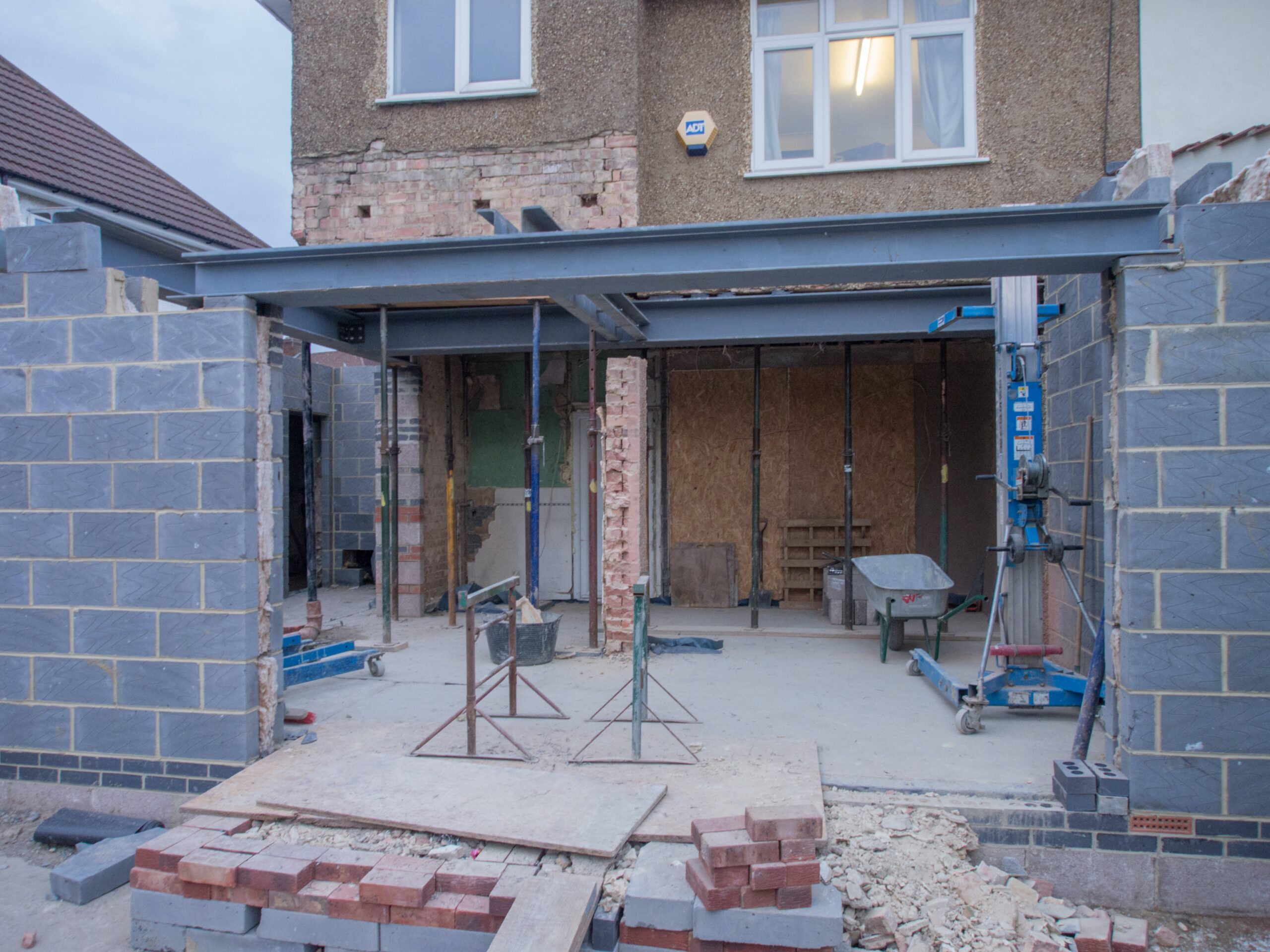
What processes are involved in piling?
Piling involves the design, supply and installation of piles into the ground that will become the building\’s base. Piles are used when the ground conditions are poor, for example, groundwater ingress or spoil collapse. The job of a pile is to distribute the weight of the structure above it evenly. Although it is the basis of all construction, it involves many complex processes.
Not every piling project is the same. A project can quickly become complex depending on the type of building and soil environment. Sometimes it can be challenging to insert piles due to weather conditions, and certain locations may require minimal disturbance to the soil and nearby area. This can result in increased costs.
There are various methods of piling, including:
1. Driven Piles: These are forced or hammered into the ground using specialized equipment like hydraulic hammers or vibratory drivers.
2. Bored Piles: These are created by drilling holes into the ground and then filling them with concrete and reinforcing steel.
3. Screw Piles: These are twisted into the ground and are often used in situations where minimal noise and vibration are required, or where the soil conditions are suitable for this method.
Is piling expensive?
Due to the various on-site processes needed, piling is often expensive. But, as with any large construction project, many variables can influence how expensive it is.
The depths required in order to create a pile foundation often make it a significant task involving multiple builders and complex equipment. Unlike a raft foundation, which is essentially a ‘mat’ of concrete that sits either on, or just under the ground, a pile foundation can take longer to construct and is usually a more costly process.
However, there are many different types of piling. From mini-piling to screw-piling, and sheet-piling, your total project cost will depend on the type of piling method used. To determine the most appropriate method for your property, most contractors will conduct investigations into the type of ground that will be built on, whilst taking into account the proposed construction plans. This also comes at a cost. It is important not to forget these extra expenses when deciding to go ahead with your build or extension.

The cost of piling in 2024
There is no set cost for piling. The cost of piling usually depends on the size of the job and the number, type, and depth of the piles required to complete it. You will also have to consider if clay heave protection may be required or if plant hire and pump hire is. The company you decide to go with will also influence the price. Most domestic extensions price in around the £5k to £10k mark depending on the individual requirements of the project.
As of 2024, the average cost for piling in the UK could range from £150 to £300 per linear meter for driven piles, while bored piles might range from £200 to £400 per linear meter. However, these are rough estimates and costs can be significantly higher depending on various project-specific factors. There may then be additional costs including ground beams, raft etc.
Usually, the big expenses in piling are the materials and labour. Labour costs tend to rise over time, but during the COVID-19 pandemic, we saw a bit of a break from that trend. That’s something to consider if you’re eyeing 2024 for starting your construction work – a possible sweet spot in terms of labour costs. Mobilisation, which is moving all the gear and materials on big rigs using low loaders, often is a high cost to consider before the construction has started. And with fuel prices playing their own game lately, it’s adding to those mobilisation costs.
So, while labour costs might’ve taken a breather, other parts of the process are still demanding attention. 2024 might be a good time to dive into your construction projects, but it’s all about finding that balance.
You can trust Dart & Co to give you the most cost-effective quotes that match your budget and project goals. Whether you are a private homeowner or property developer, we will always provide free site visits, have a price match guarantee (and can negotiate pricing), flexible payment terms and a 10-year warranty. We also don’t use subcontractors. We have our own team of expert piling contractors so you will never have to worry about having to pay extra for outsourced workers.
If you have a project that involves piling and want to discuss your plans and budget with an expert, get in touch.